


El Salvador Crypto License
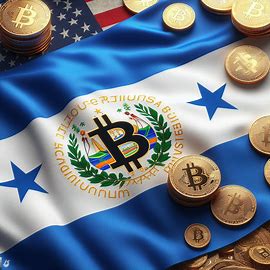
As the first LATAM country to officially adopt Bitcoin as legal tender, El Salvador has paved the way for crypto regulation in South America. Relatively low capital requirements, a swift application process and reasonable ongoing costs make El Salvador the ideal choice for digital asset firms looking to break into the South America crypto scene. Read on to discover the myriad of benefits offered in El Salvador.
How to Get a Crypto License in El Salvador?
- Schedule an initial consultation with Atomiq Consulting to assess your crypto business model and determine licensing eligibility in El Salvador.
- Upon engagement, our team will guide you through the framework set by the National Commission of Digital Assets (CNAD) and the Central Reserve Bank of El Salvador.
- Incorporate a local entity in El Salvador, which is a prerequisite for all crypto exchange and asset service providers operating legally in the country.
- Appoint local directors, a compliance officer, and establish physical office space in accordance with regulatory requirements.
- Prepare the necessary documents including a business plan, AML/KYC policies, risk management framework, and technology architecture.
- Submit the complete crypto license application to CNAD, ensuring full compliance with the Digital Assets Issuance Law (DAIL).
- Participate in regulatory interviews or clarification sessions as requested by the CNAD during the review phase.
- Once provisional approval is granted, satisfy any final requirements or conditions prior to issuance of the digital asset service provider license.
- Receive your official crypto license and commence regulated operations in El Salvador’s pro-blockchain environment.
El Salvador Crypto Regulation – Key Requirements
- 1) Digital Asset Licensing (DASP/BSP): Crypto businesses engaging in exchange, custody, or other digital asset services must register and obtain the appropriate license from El Salvador’s National Commission of Digital Assets (CNAD), which oversees crypto regulation and compliance.
- 2) AML/KYC & Transaction Monitoring: Registered crypto service providers must implement robust anti-money-laundering (AML) and Know-Your-Customer (KYC) programs, including transaction monitoring (KYT) and reporting of suspicious activity to regulators.
- 3) Compliance Officer Requirements: Companies applying for a crypto license must appoint a qualified compliance officer (often residency or local representation required) to manage AML/CFT policies and liaise with CNAD and other authorities.
- 4) Tax Treatment: El Salvador generally exempts digital asset transactions from capital gains, corporate income tax, and VAT when tied to crypto business operations, under its tax incentives. However, entities must still maintain proper reporting and filing with tax authorities.
- 5) Reporting & Records: Crypto companies are required to maintain accurate financial records and submit periodic reports (including financial and compliance documentation) to regulators as part of ongoing oversight.
El Salvador’s evolving framework aims to balance innovation with transparency and investor protection, making it a jurisdiction of interest for digital asset service providers willing to comply with licensing, AML/KYC, and local oversight obligations.
What is the Difference Between a Bitcoin Service Provider (BSP) and Digital Asset Service Provider (DASP) in El Salvador?
El Salvador Crypto License – Some Important Facts
| Requirement | Details |
|---|---|
| Taxes | 30% |
| Local Office | Required |
| Local Directors | Yes |
| Minimum Capital Requirement | $2,000 |
| License Approval Period | 3 – 6 months |
| DASP License | Covers crypto exchanges |
| Permitted Activities | Token issuance (ICO), yields/staking, exchange |
| Legislative Framework | Digital Assets Law |
| BSP License | In our opinion not required for new applications |
Why Apply for a DASP Crypto License in El Salvador?
Applying For a Crypto License in El Salvador – Key Takeaways
- A pioneer in digital assets having adopted bitcoin as legal tender in 2021
- 2 license types: Bitcoin Service Provider license (BSP) and Digital Asset Service Provider (DASP)
- $2,000 in paid up capital
- The majority of exchanges apply for a DASP license
- Local office and staff are required
- License approval period 3 – 6 months
Atomiq Consulting – Your Cryptocurrency / Digital Asset Licensing Partner
Only a handful of consultation firms possess the in-depth knowledge and experience that is required to successfully apply for a cryptocurrency license in El Salvador. Our combined years of industry experience and expertise in the realm of financial regulation are just a couple of the reasons that brokers around the globe have chosen Atomiq Consulting to process their cryptocurrency license application. Should you have additional questions about the application process or are simply looking to get started, we are more than happy provide our assistance.
How to Obtain BSP / DASP Crypto Regulation in El Salvador? – Contact Us for a Quote!
To learn more about the license application process, ongoing charges, and address any other questions related to a digital asset / cryptocurrency license in El Salvador, don’t hesitate to contact us.
FAQ Related to Licensing, Company Formation, and Banking for a Digital Asset License / Cryptocurrency License in El Salvador
Are there any licensed crypto exchanges in El Salvador currently for sale?
In addition to license consultation, we can also assist you in acquiring an existing exchange or brokerage. Because our offers vary based on availability in the market, it is best to contact us directly to discuss our current offers.
What is the average approval period for obtaining a crypto license in El Salvador?
Applications for a digital asset license in El Salvador should expect to wait around 2 – 5 months for license approval.
Which regulatory body or agency regulates crypto currency in El Salvador?
The Central Reserve Bank of El Salvador oversees cryptocurrency regulation for the Bitcoin Service Provider License; the National Commission of Digital Assets (CNAD) is responsible for regulating the DASP license.
Is there a VASP license in El Salvador?
Yes. In El Salvador it is referred to as a DASP, Digital Asset Service Provider License.
What is the corporate tax rate in El Salvador?
30%
Can government fees and taxes be paid in cryptocurrency such as Bitcoin?
Yes, this is permitted.
Is there a directory of licensed digital asset exchanges in El Salvador?
Yes, all exchanges licensed by the Central Reserve Bank of El Salvador can be found in this public directory.
Blog Posts

A Global Overview of Forex Broker License Regulation
Whether you are an entrepreneur interested in starting your own forex white label, or an existing forex broker, it’s crucial […]
View More
What Is a Tier 1 Forex License?
A tier 1 forex license represents the most reputable and globally recognized forex broker license available in the marketplace. Before […]
View More